kailashblack
Branding | Web Design | Marketing
loading content...

FTF Engineering


A mobile-friendly version of this page is currently under construction.

In the meantime, please view this website on a desktop.

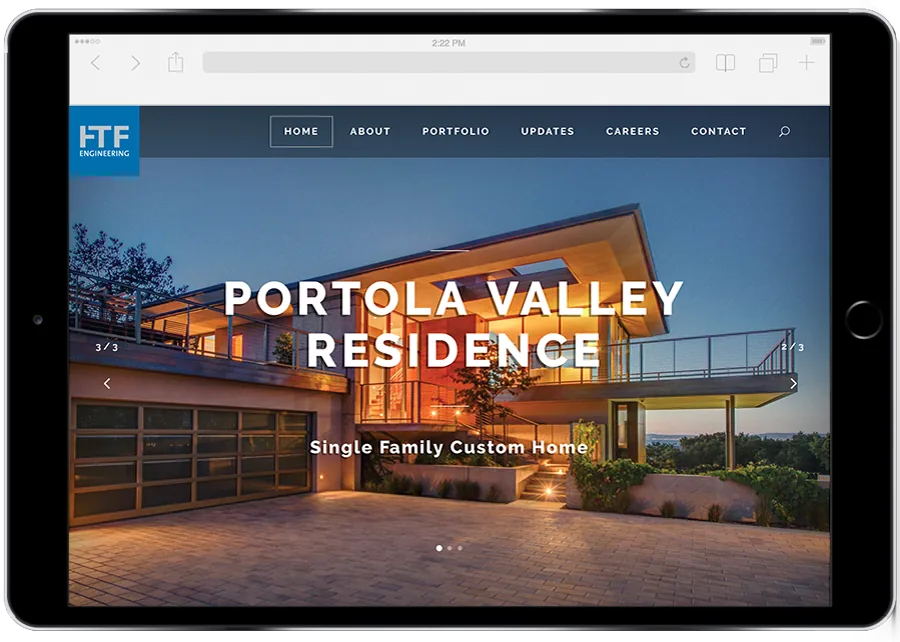
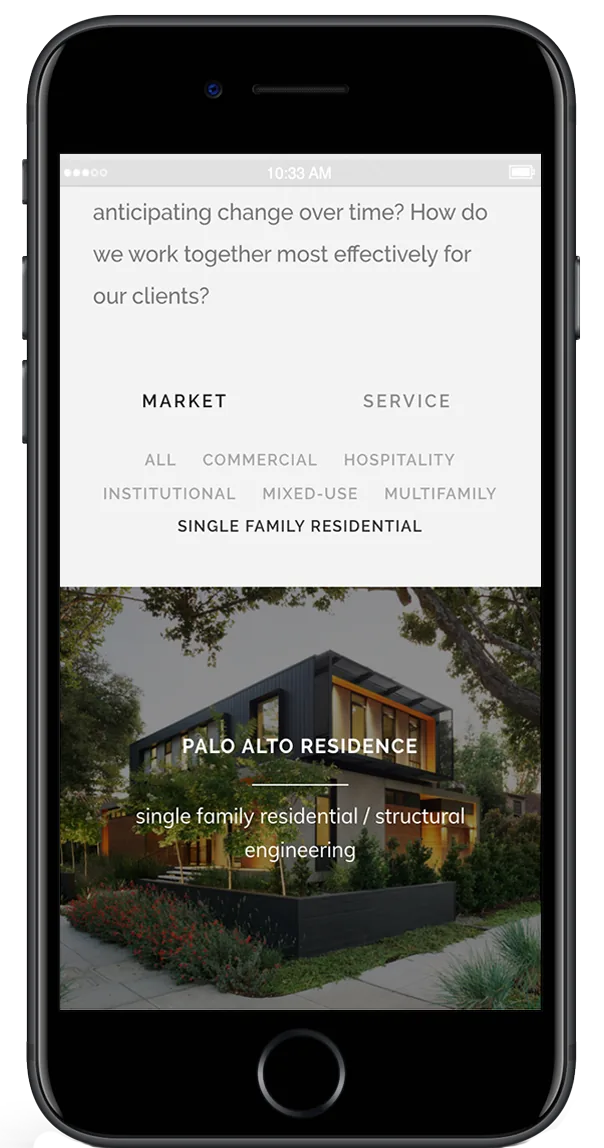
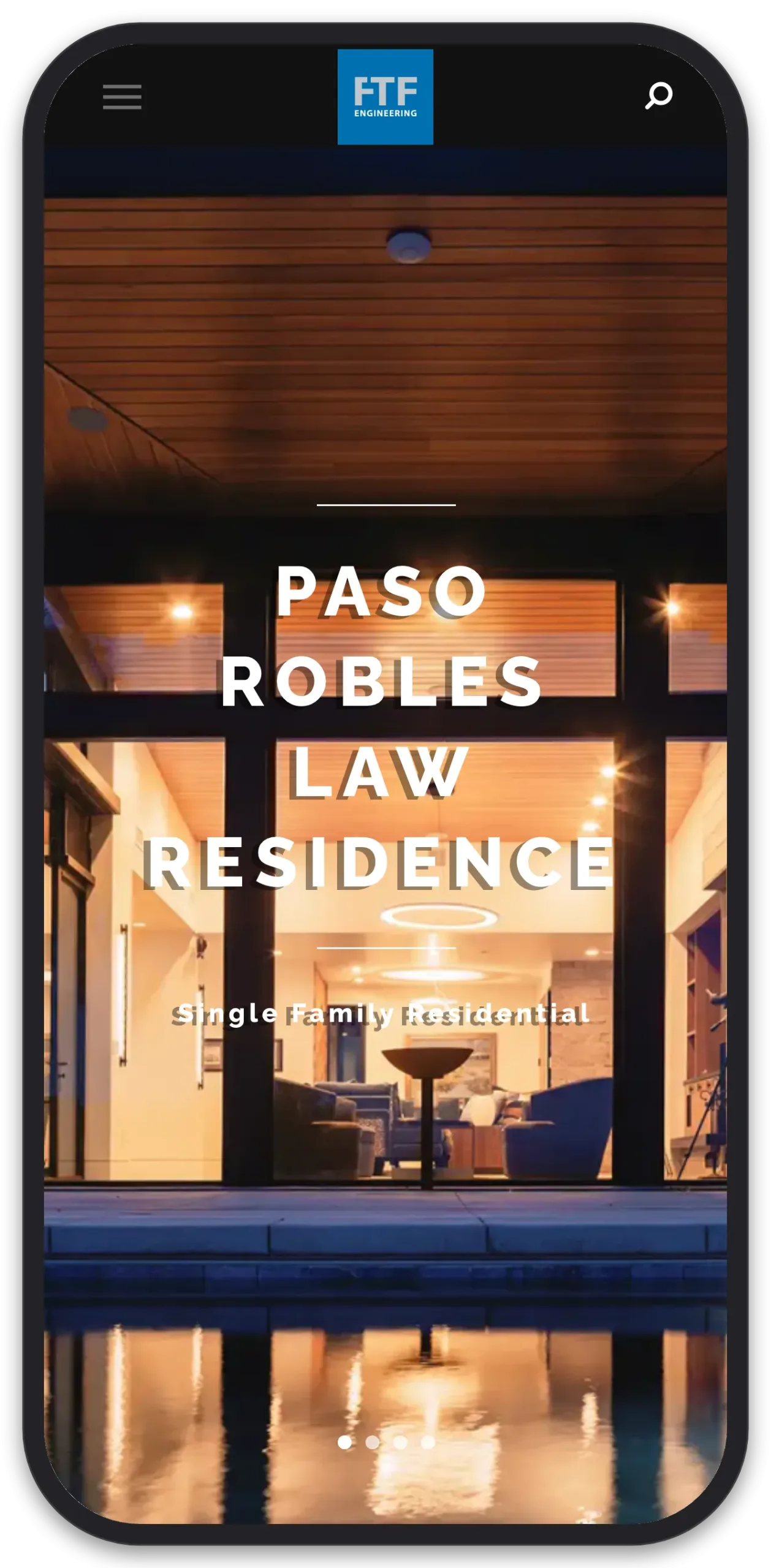
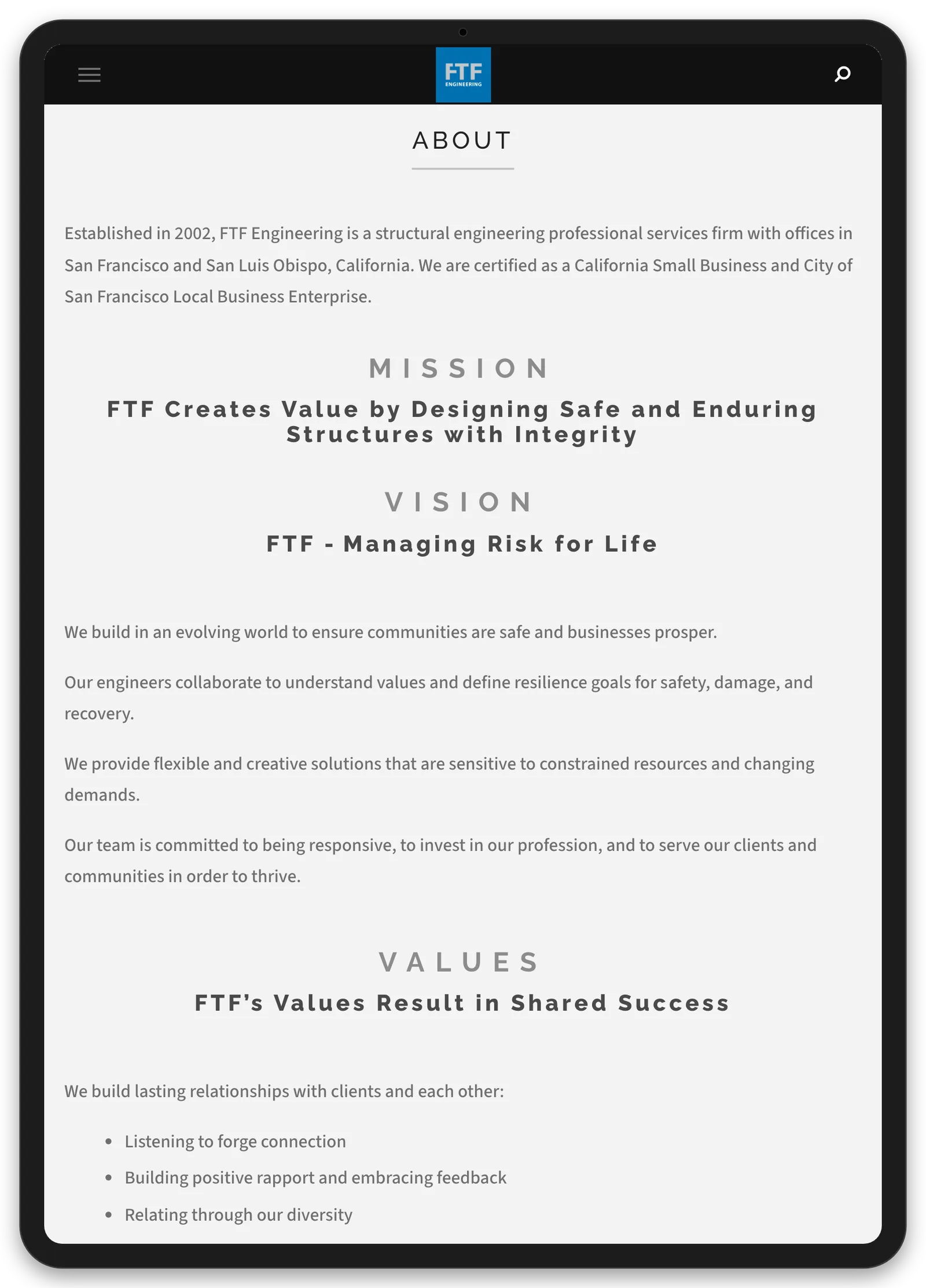
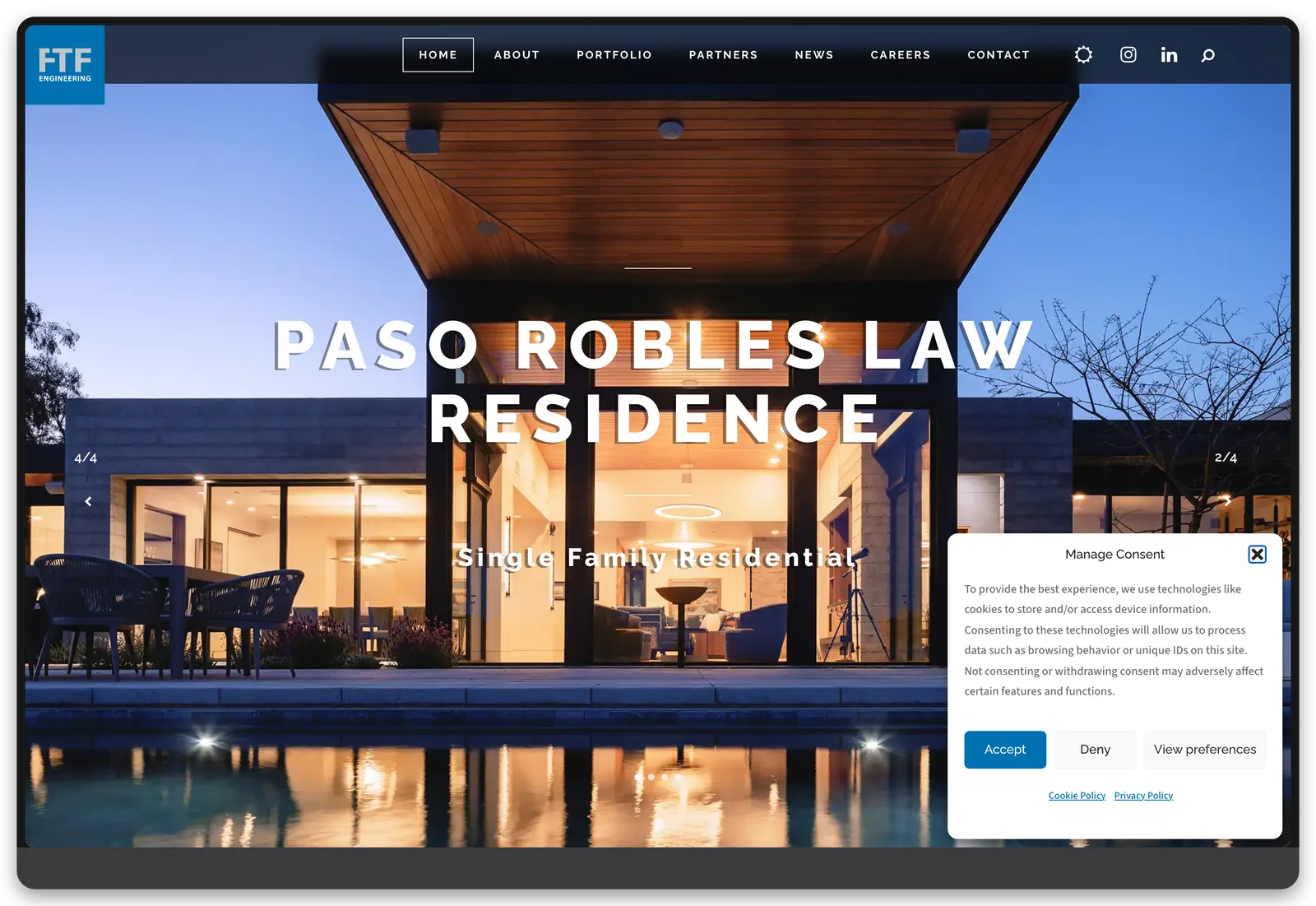
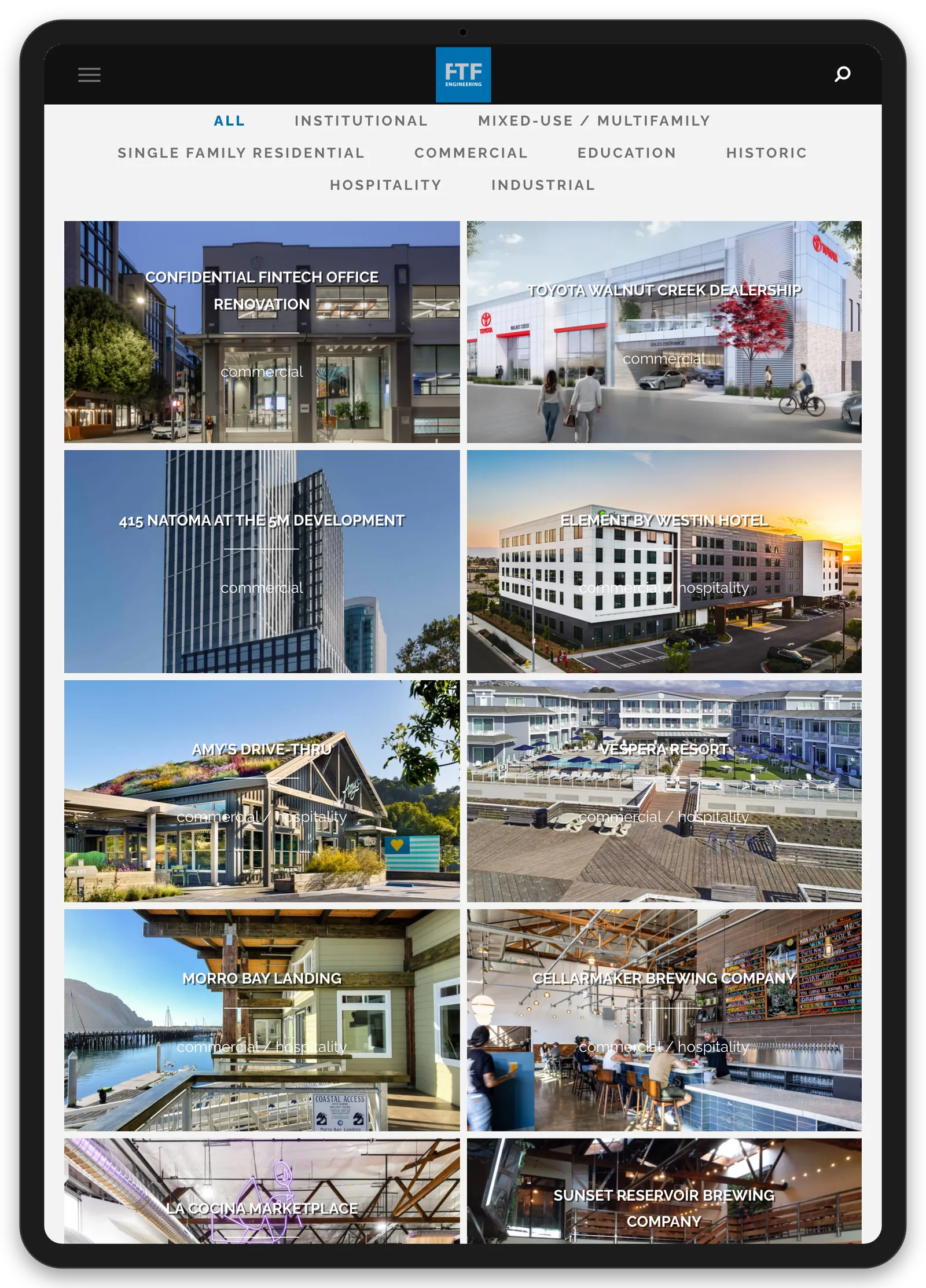
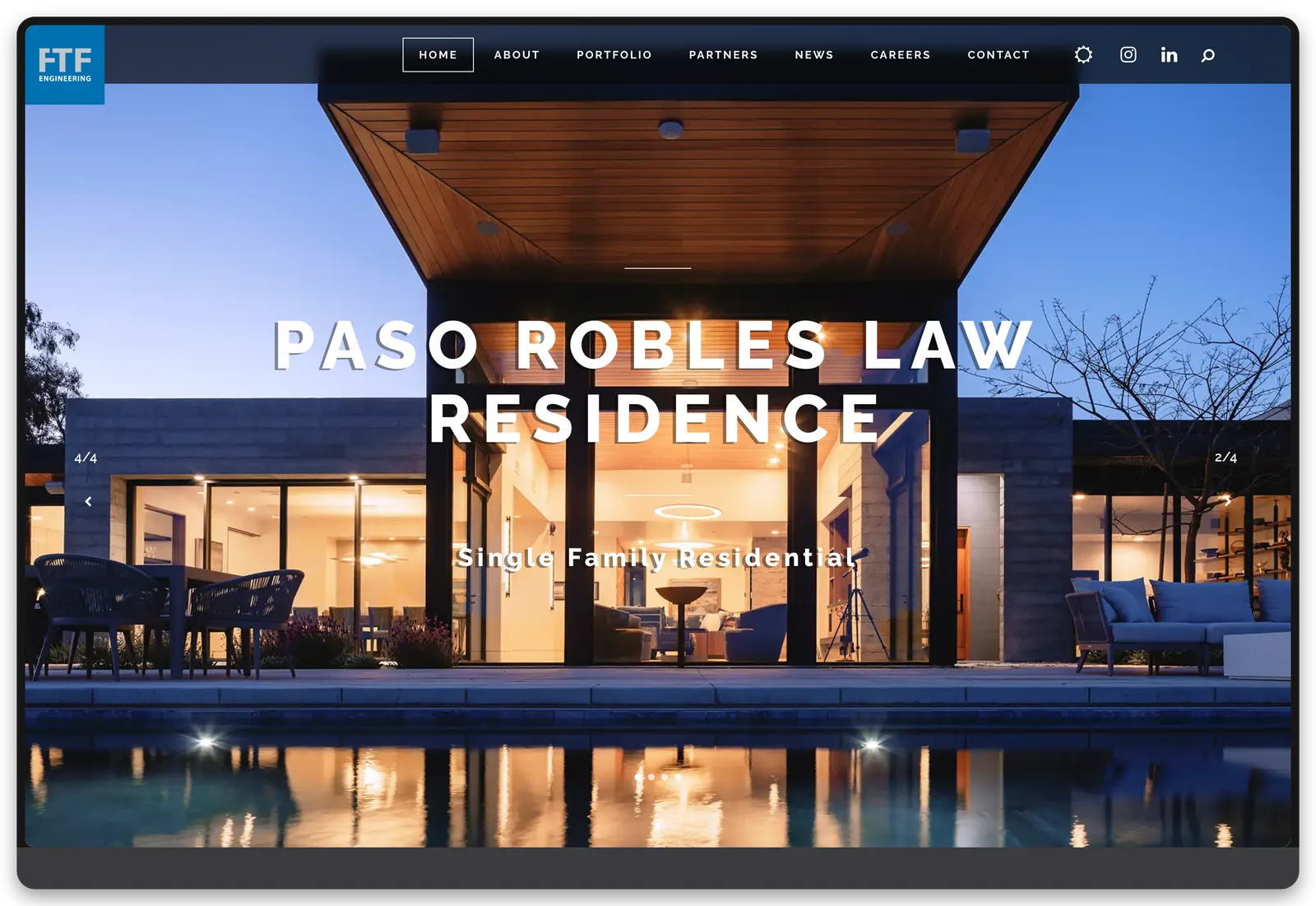
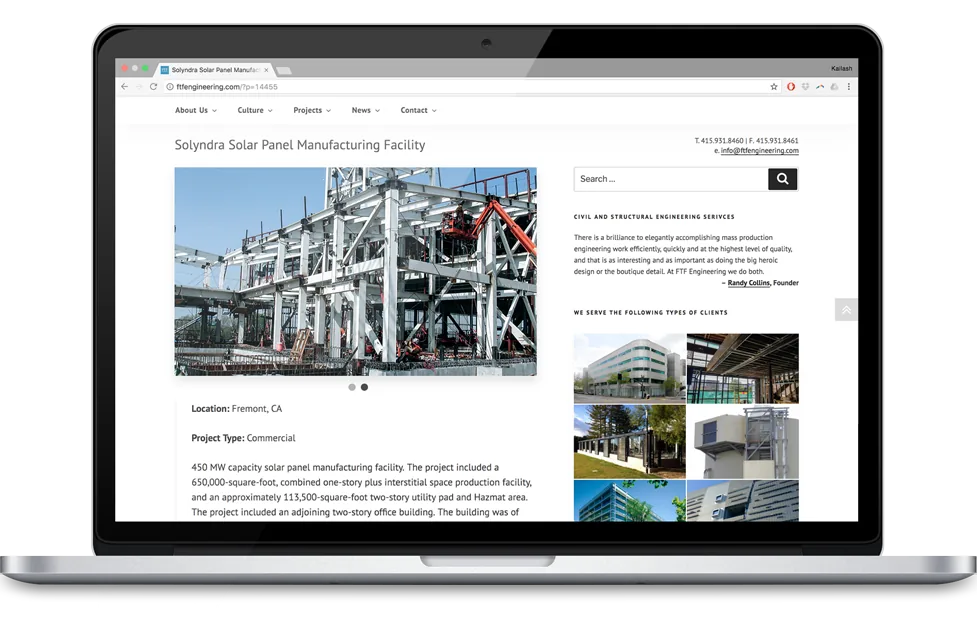
FTF Engineering website full-page design displayed on laptop desktop FTF Engineering website responsive design on iPad showing project portfolio FTF Engineering website on iPhone 8 mobile mockup

Redesigning the FTF Engingeering website from the ground up was a huge task.

The site features dozens of engineering projects, hundreds of images, an extensive About page, employee profiles, custom office location maps, current news and events, and much more.

Because their old website was designed using WordPress, it was most efficient to use that as a starting point. I added over 1300 lines of CSS and installed 20+ plugins, many of which I heavily modified. It was also necessary to make many adjustments to the core PHP.

Click here or the button below to visit the FTF website. Be sure to check out the Projects page and the About page.

ftfengineering.com
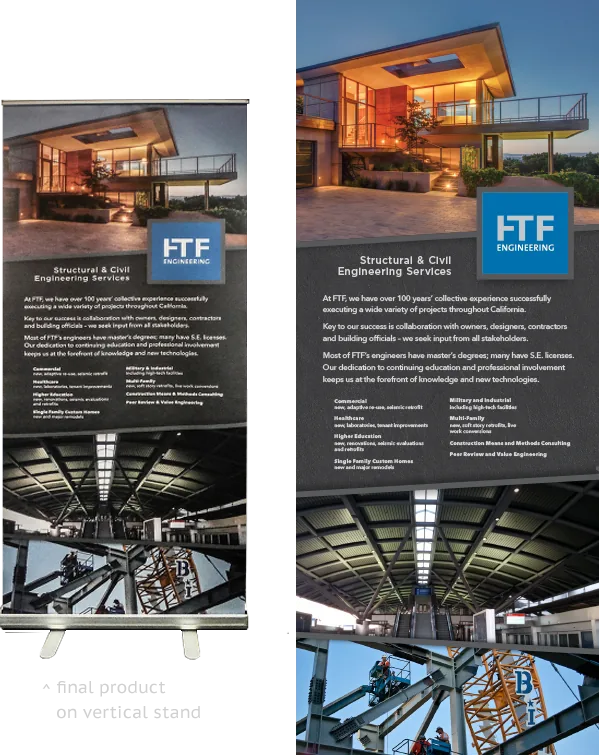
FTF Engineering banner image showing structural and civil engineering services, building and steel structure photos FTF Engineering team page showing company firm overview and staff directory

During my time with FTF Engineering I developed numerous marketing materials, such as this event banner, which is shown at engineering conventions and other company outings.

I also designed regular email blasts, a series of 5×7 postcards, employee resumes, and company invoices.

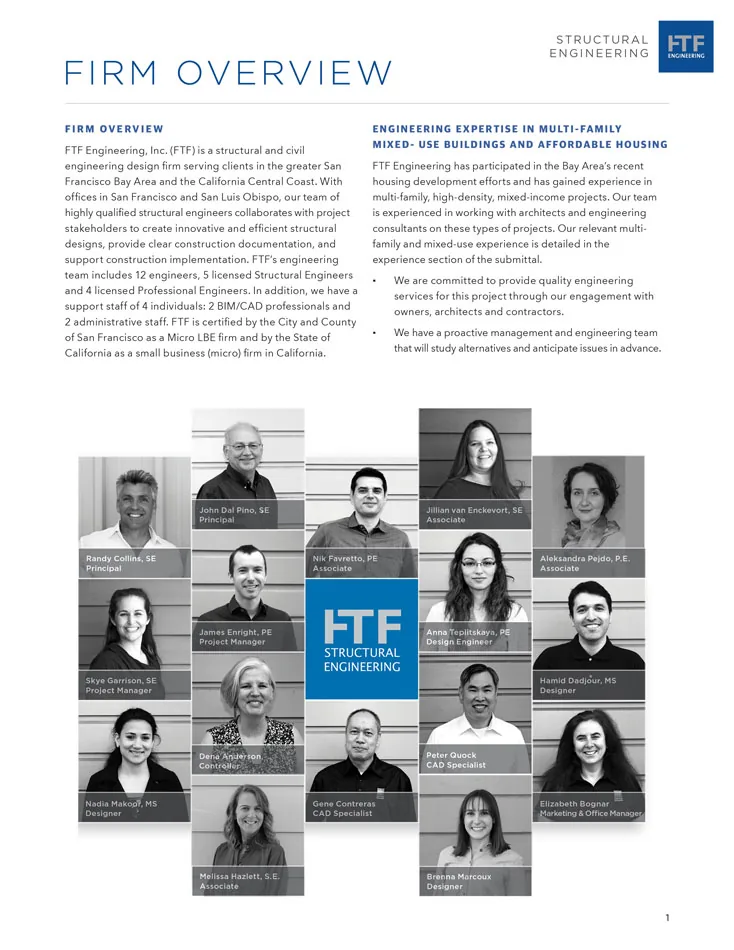
FTF bid proposal document second page mockup

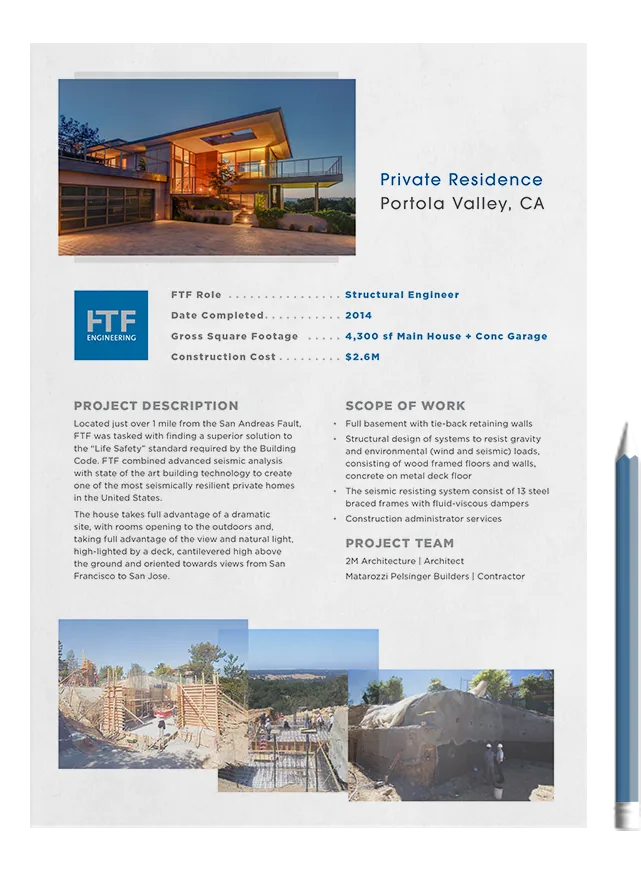
When bidding for a project, FTF Engineering submits a bid proposal: a formal document outlining the project timeline, scope, and pricing, as well as assorted portfolio projects.

As FTF’s Visual Designer, it is my job to ensure that these proposals look professional and compelling.

Bid proposals can vary widely in size, complexity and content. This variation is dependent on the type of project, technical features, and the requisite samples. Creating an adaptable template that could be easily modified was particularly challenging. Using InDesign’s master pages and character/paragraph styles I streamlined the proposal process for an improved turnaround which enhanced the teams agility to submit proposals on short notice.

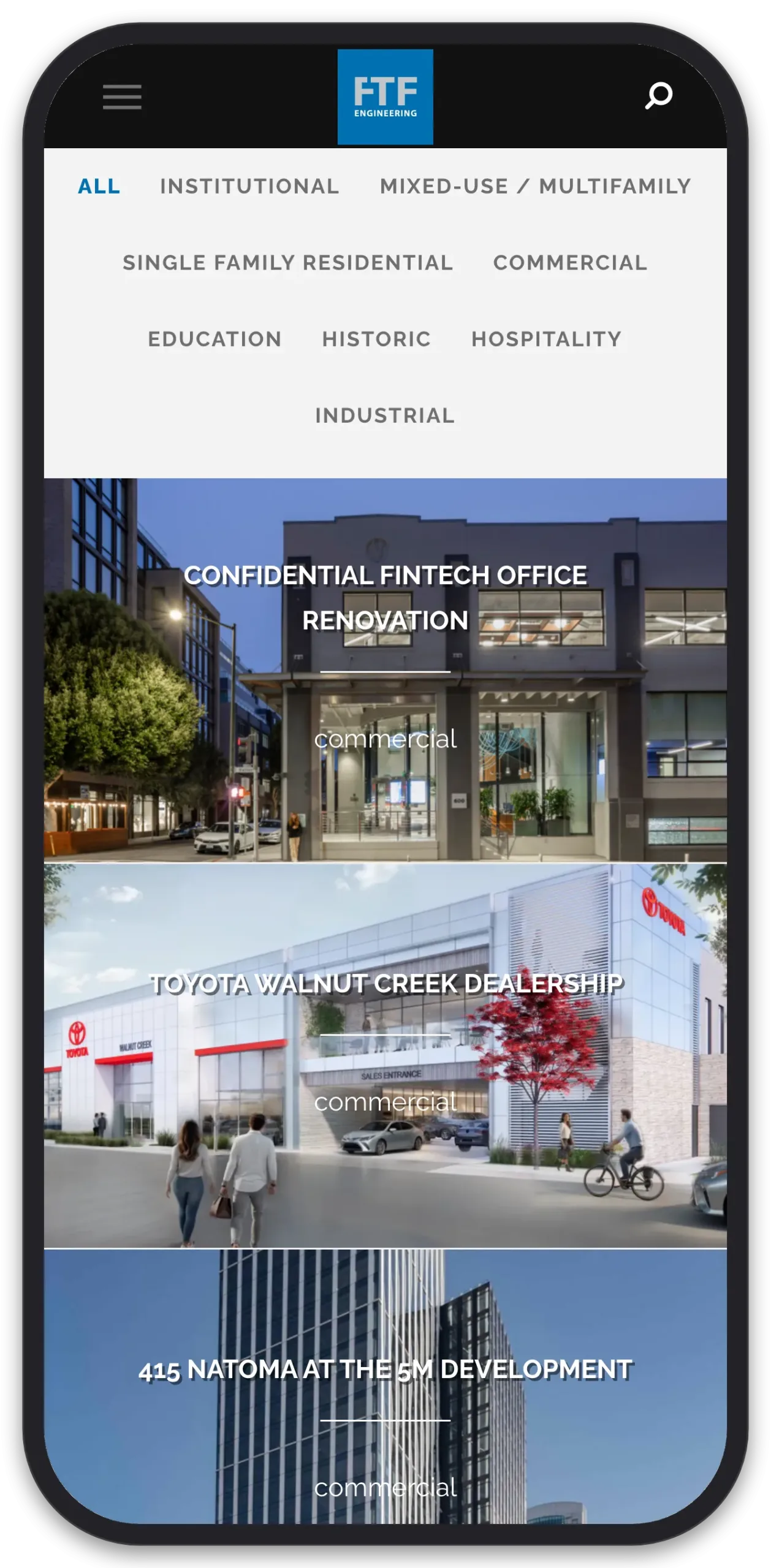
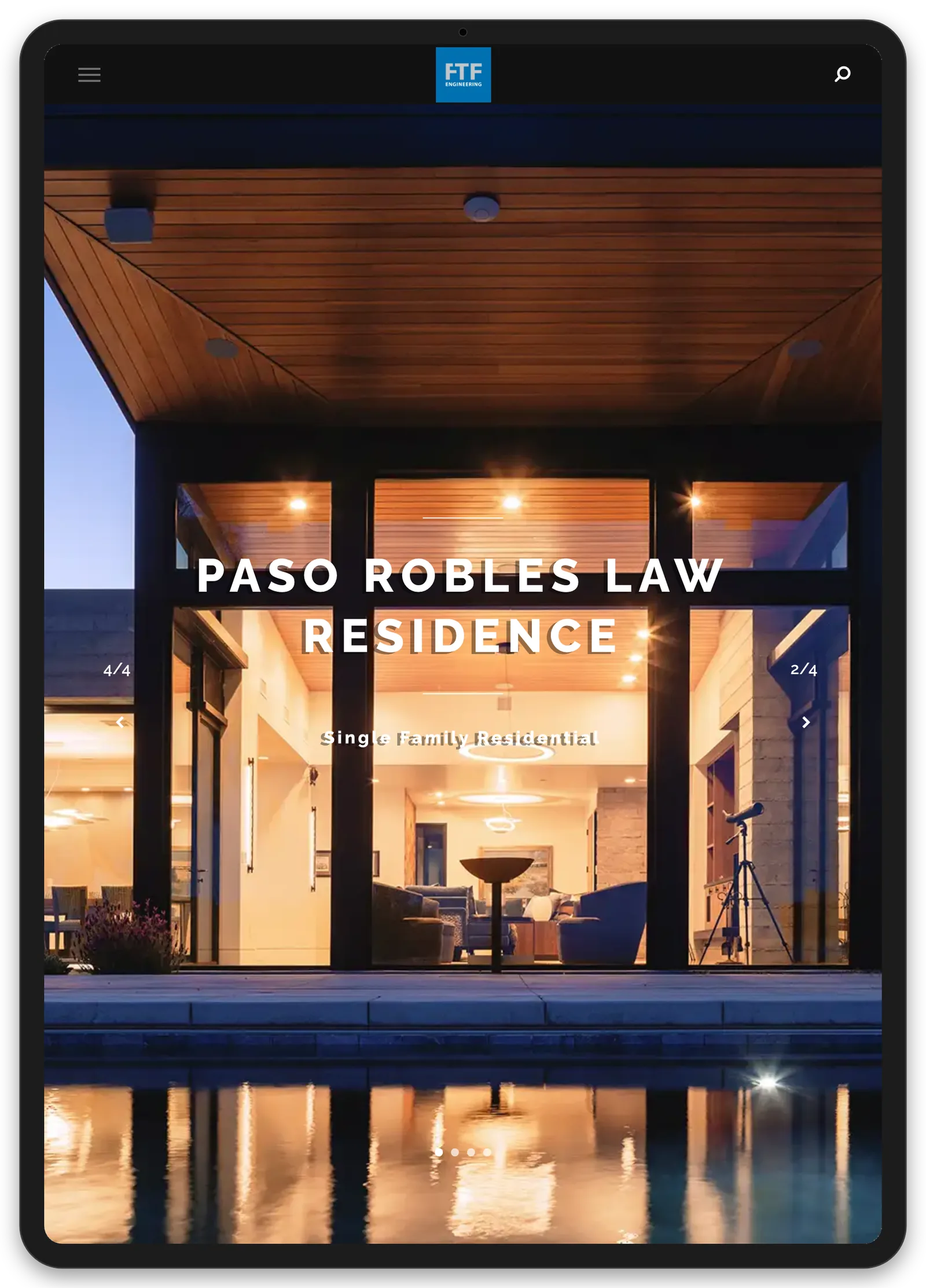
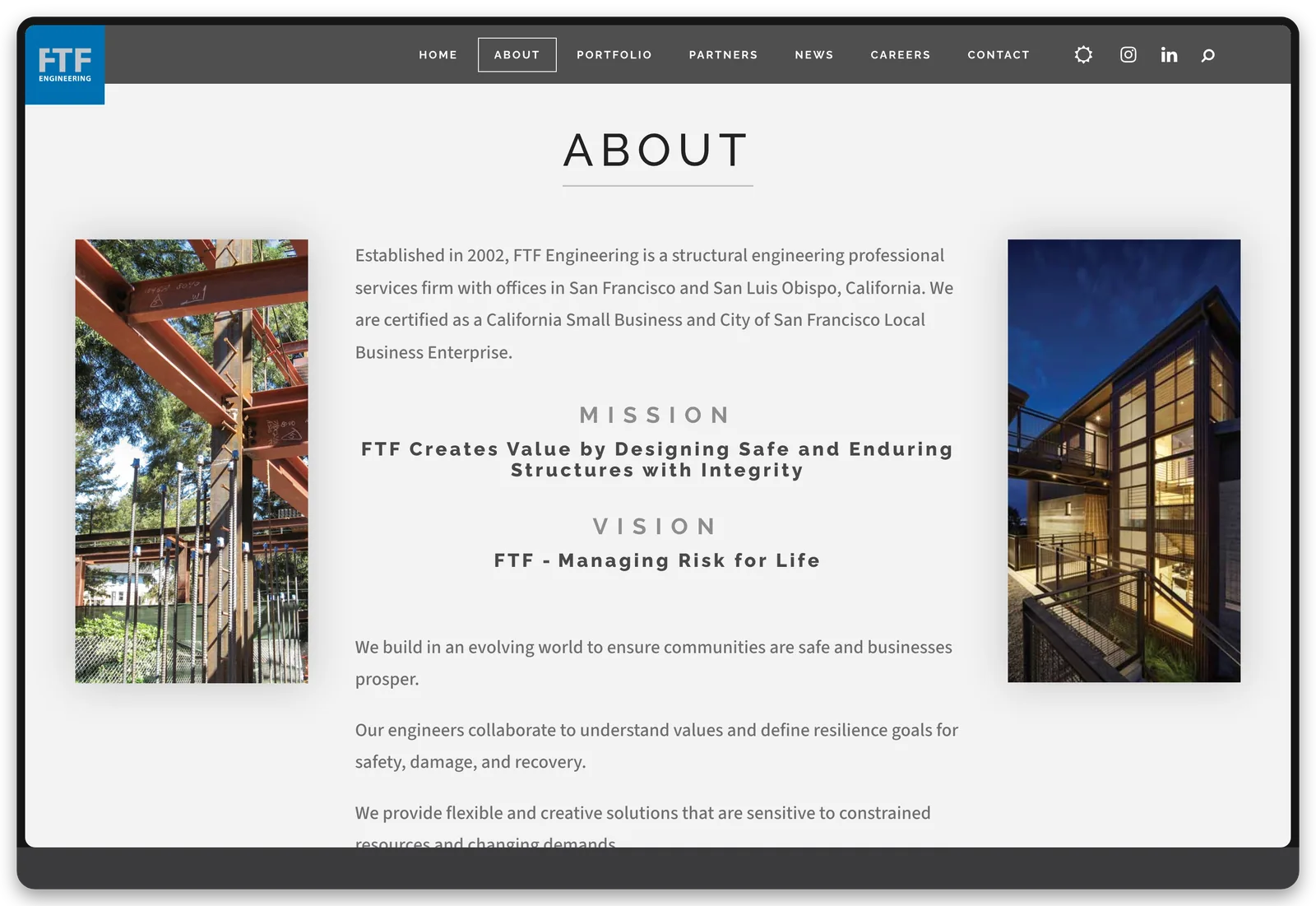
FTF Engineering: 2026 Rebuild, mobile view FTF Engineering: 2026 Rebuild, tablet view FTF Engineering: 2026 Rebuild, desktop view

In 2026 I went back through the FTF Engineering site and rebuilt several of its core systems in place. The portfolio page now filters its 73 projects by category with a client-side filter bar, replacing eight separate category pages. I also folded the standalone team directory into bio popups on the About page, consolidating 21 staff bios that used to live on their own page, with the old team-page links redirecting automatically.

FTF Engineering: Design System & Performance, mobile view FTF Engineering: Design System & Performance, tablet view FTF Engineering: Design System & Performance, desktop view

I built a full light/dark mode on top of a roughly 200-token color system, layered from raw values up to the components that use them, with a toggle in the header, mobile menu, and footer; it also follows a visitor’s system preference automatically. Alongside that I normalized the site’s breakpoints to a five-tier scale (mobile, tablet, laptop, desktop, and wide) and replaced the old stepped page margins with a single fluid measurement that scales continuously instead of jumping at fixed widths. That fixed a couple of longstanding layout bugs, including content touching the screen edge on the blog page and the navigation menu running behind the logo at narrower widths.

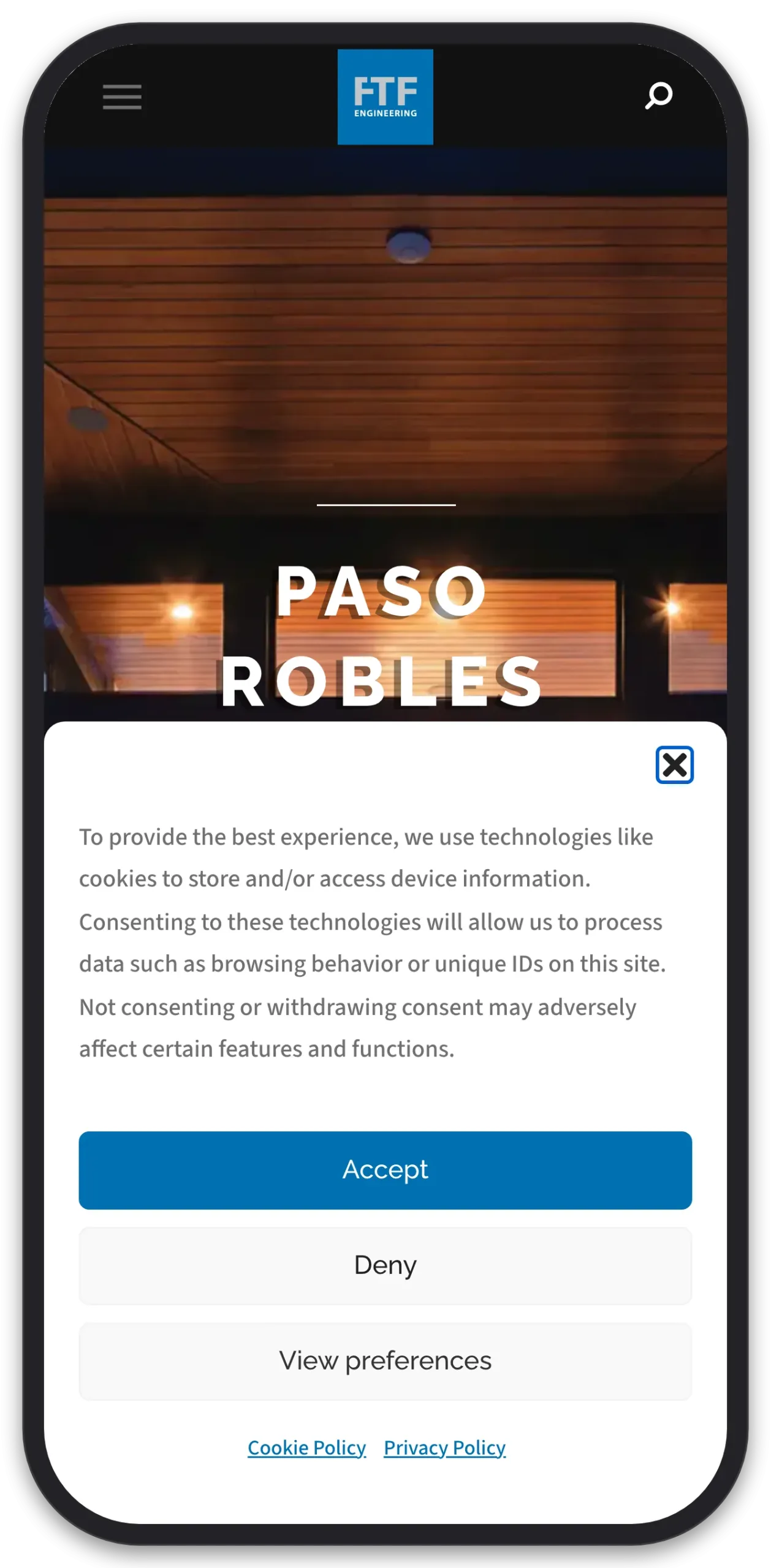
FTF Engineering: Loader & Motion, mobile view FTF Engineering: Loader & Motion, tablet view FTF Engineering: Loader & Motion, desktop view

The site now has a loading sequence: the FTF logo animates in on the homepage, and a slim progress bar appears on every other page so navigation never shows a sudden flash of blank content. Pages cross-fade into one another instead of hard-cutting, which reads as a menu that stays in place while the content beneath it changes. It’s a technique I originally built for Cheng Design and adapted here for FTF.

home > FTF Engineering